5 myths about the spring sun that you (might) believe

In mid-April, the flowers bloom and the temperatures suddenly rise. As parents, we instinctively reach for sunscreen, but what about our children's eyes? The eye health of young children is often neglected because many misconceptions about it exist.
In children aged 4 to 8 years, their eyes are like sponges that absorb light: their lens is still very transparent and lets through much more UV rays than that of an adult.
We're debunking 5 common myths so you can enjoy the sun this spring without worry:
Myth 1: "If it's not hot, the sun isn't burning."
That's the most common mistake. UV radiation has nothing to do with temperature. On a cool, windy spring day, the sun can be just as harmful to the retina as in August. Don't rely on the thermometer; pay attention to the brightness of the day.
Myth 2: "Toy glasses offer the same protection"
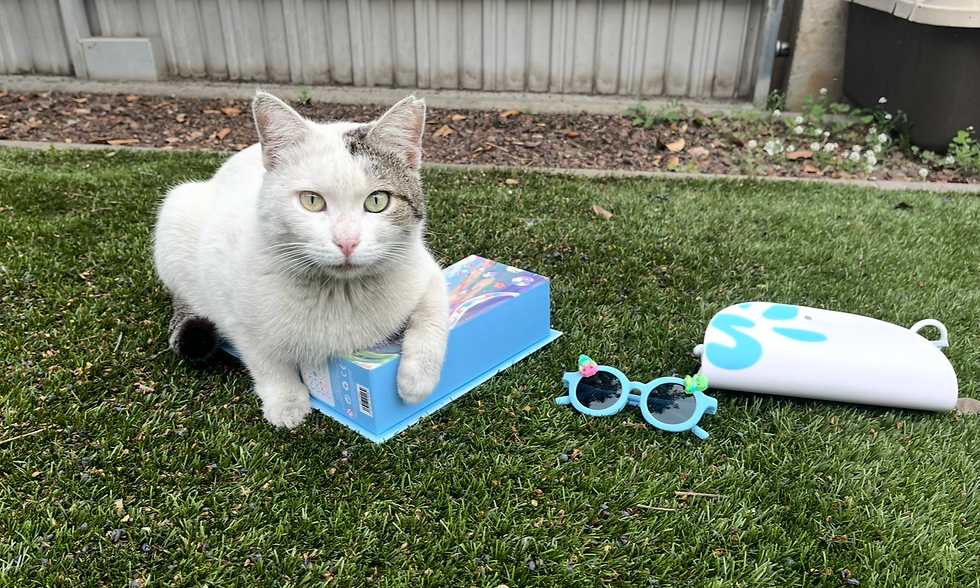
That's a dangerous misconception. Putting sunglasses on a child without a certified UV filter is worse than not wearing any at all . Why? Because while the dark lenses dilate the pupils, without an effective filter, UV rays enter the eye more intensely and directly.
Myth 3: "Clouds cover the sun"
Cloudy day? Clouds do act as a diffuser, but still allow up to 80% of radiation to pass through . Sometimes the glare on a gray day is even more bothersome for children, causing them to constantly squint (which can lead to eye strain or headaches).
Myth 4: "Sunglasses are only for the beach"
The sun reflects off everything. In spring, asphalt, sand in parks, or even grass act like mirrors. Car and bus windows also amplify the light. Sunscreen should therefore be as much a part of your daily gear as your keys and water.
Myth 5: "Children don't like wearing glasses when they play."
If safety goggles are heavy, fall off, or fit too tightly, they will certainly bother children. But if they are flexible, lightweight , and, above all, feel like a toy (because they can personalize them with their favorite fruits or cars), they might even forget they're wearing them. The secret lies in making the safety goggles part of their explorer identity.
How can you tell if your child needs protection today?
A little tip: Pay attention to your shadow. If it's shorter than you are tall, the sun is at its highest point and the radiation is strongest. Then it's time to put on sunglasses and a hat and grab a handful of fresh fruit to stay hydrated.
At Sumsun, we believe that protecting children's eyesight should be as natural as wearing a seatbelt: something you do for health reasons, but which doesn't stop you from enjoying the journey.


Comments